South Carolina Anglers Gain 14 Days of Red Snapper Access for First Time Since 2009
State-led EFP represents first step toward long-term state management of the South Atlantic red snapper fishery
September 22, 2026
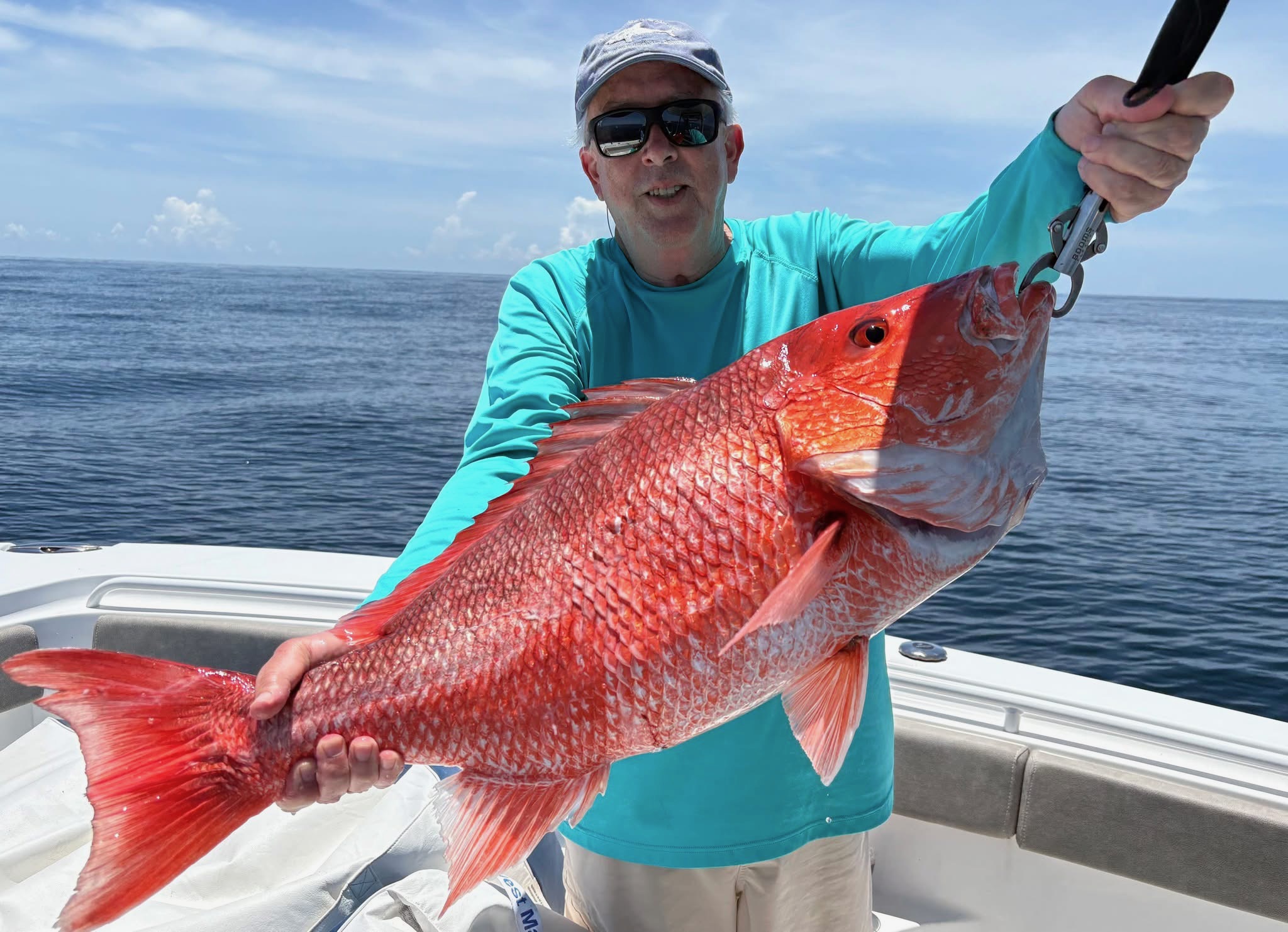
COLUMBIA, S.C. — For the first time since 2009, South Carolina anglers will have at least 14 days of recreational access to red snapper following NOAA Fisheries’ approval of the state’s revised Exempted Fishing Permit (EFP).
That is 12 more fishing days than South Carolina anglers had last year and the longest recreational red snapper season since the federal closure began in 2010.
Under the approved EFP, eligible South Carolina anglers will be able to recreationally harvest red snapper from October 9 through October 22, 2026, in state and federal waters. South Carolina has been authorized a harvest limit of 8,695 red snapper during the EFP.
Beyond providing additional days on the water, the EFP represents an important first step toward long-term state management of South Carolina’s recreational red snapper fishery. The pilot program will allow the South Carolina Department of Natural Resources (SCDNR) to test state-based management strategies and collect more timely information on recreational fishing effort, catch and discards.
“This is the most meaningful access South Carolina anglers have had to this fishery in more than 15 years, but the bigger story is where we go from here,” said Gettys Brannon, President and CEO of the South Carolina Boating & Fishing Alliance. “These EFPs are the first real step toward putting more responsibility for this fishery in the hands of the states. South Carolina has the ability to collect better data, work directly with our anglers and manage access in a way that protects the resource. Fourteen days are a significant win but proving that state-led management works could fundamentally change how this fishery is managed for years to come.”
For years, the South Carolina Boating & Fishing Alliance (SCBFA) has worked alongside SCDNR, state and federal leaders, national recreational fishing organizations and thousands of South Carolina anglers to advocate for expanded access, improved fisheries data, and a greater role for states in the management of South Atlantic red snapper.
South Carolina’s original 2026 EFP proposed a 62-day summer season beginning July 1. After that permit was halted as part of federal litigation affecting EFPs across the South Atlantic, South Carolina returned to the process, revised its proposal and continued working toward a fall season focused on improved data collection, electronic reporting and state-led management strategies.
Attorney General Alan Wilson has been a strong advocate for greater state involvement in red snapper management, including leading multistate efforts calling for increased state authority over the fishery.
“I’ve always said South Carolina knows best how to manage the fisheries off our coast,” said Attorney General Wilson. “This EFP is an important step toward state-led management and gives us the opportunity to collect better data while protecting the resource. I look forward to continuing our work to ensure South Carolina anglers have fair access to an abundant fishery for years to come.”
“For the boating and fishing industry, conservation and access have to work hand in hand,” said Russ Tomlinson, Chairman of the South Carolina Boating & Fishing Alliance and President of Sportsman Boats and Phenom Yachts. “Without healthy fisheries and sound conservation measures, the boat business simply does not work. At the same time, our customers need reasonable opportunities to get on the water and enjoy the resources they are helping conserve. This EFP is an important step toward finding that balance and giving anglers across the South Atlantic more opportunity to fish while ensuring the resource remains healthy for generations to come.”
Angler Participation and Reporting Will Be Critical
Anglers should be aware that participation in the EFP comes with SCDNR registration and reporting requirements. Participating anglers must meet applicable licensing and EFP requirements, and trips must begin and end at a landing location in South Carolina.
Registration and reporting come at no additional cost. The experimental red snapper harvest permit is free, and participating private recreational anglers must declare their trips and report their catch through SCDNR’s electronic reporting system.
These requirements are a critical component of the EFP because the information collected will allow SCDNR and NOAA Fisheries to monitor harvest and evaluate the effectiveness of a state-led management system.
SCBFA encourages anglers planning to participate in the October season to familiarize themselves with all SCDNR requirements and to report their trips and catches accurately and promptly.
Complete registration and reporting details, including how to obtain the required experimental harvest permit, are available at dnr.sc.gov/redsnapper.
“The reporting component cannot be an afterthought,” Brannon added. “If we want South Carolina to have a larger role in managing this fishery, we have to demonstrate that a state-led system can produce reliable, timely data. Angler participation is what makes that possible.”
Following the October season, SCDNR and NOAA Fisheries will evaluate harvest data. If South Carolina has not reached its authorized 2026 harvest limit, the EFP allows for the possibility of additional recreational red snapper harvest in December.
SCBFA has been actively engaged throughout the South Atlantic red snapper EFP process, including supporting South Carolina’s state-led management proposal, encouraging public participation, working with state and federal officials, and advocating for a long-term management structure that provides reliable data, sound conservation and meaningful recreational access.
Protecting and Expanding Boating and Fishing in South Carolina
©2021 South Carolina Boating and Fishing Alliance. All Rights Reserved.